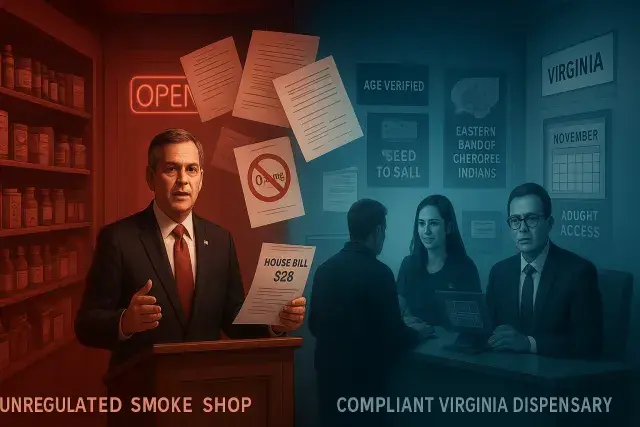
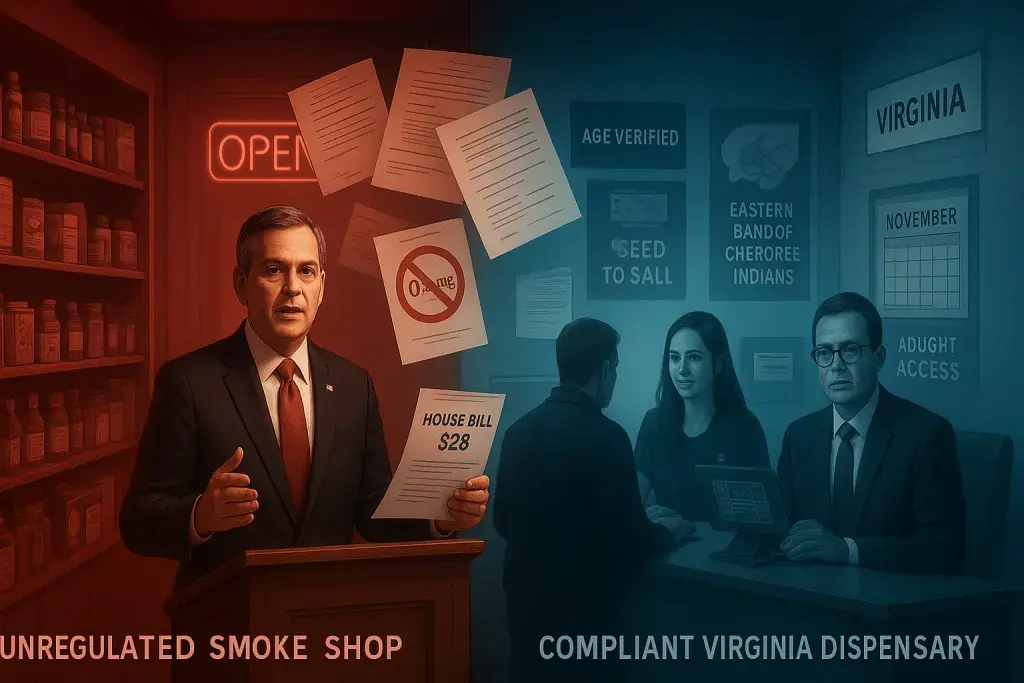
North Carolina Gov. Josh Stein is pushing state lawmakers to abandon a hemp THC ban in favor of a regulated adult-use cannabis market, arguing that prohibition does nothing to keep intoxicating products away from kids. His intervention this week, aimed at House Bill 328, puts him at odds with a Senate-passed bill that would cap hemp products at 0.4 milligrams of THC or other intoxicating cannabinoids - a threshold so low it would functionally wipe out most hemp-derived products currently sold across the state.
The stakes here go well beyond one bill. North Carolina currently has no licensed adult-use or medical cannabis retail infrastructure, no seed-to-sale tracking system, and no state-sanctioned point-of-sale requirements for THC products. Compare that to Virginia, where regulated dispensaries already operate under defined compliance rules, including age verification, product labeling, and transaction tracking through dedicated retail software - the kind of point-of-sale for Virginia dispensaries that gives operators audit-ready compliance logs and regulators a paper trail. North Carolina has neither the ban’s bite nor the market’s safeguards; it has an unregulated gray zone that Stein says leaves consumers guessing about potency, ingredients, and sourcing. point-of-sale for Virginia dispensaries
Why a Ban Without Age Gating Worries Operators
Here’s the catch with House Bill 328: it doesn’t just target THC. It also would legalize kratom, an opioid-like substance, while critics say it lacks meaningful age-verification requirements for either product category. For hemp retailers, convenience stores, and smoke shops currently selling THC beverages, tinctures, and edibles under the 2018 Farm Bill’s hemp provisions, this is a compliance nightmare in the making - a law that bans low-dose adult products outright while doing little to stop sales to minors. That’s not consumer protection. That’s optics.
Retailers who have built wholesale menus around hemp-derived THC products - beverages, gummies, vape cartridges - would face immediate inventory liquidation problems if the 0.4 milligram threshold becomes law. Lab testing protocols, COA documentation, and compliant packaging investments many operators made in good faith would become sunk costs overnight. That’s a real supply chain disruption, not an abstract policy debate.
The Regulation-Versus-Prohibition Divide
Kevin Caldwell of the Marijuana Policy Project frames the standoff plainly: banning a product doesn’t make demand disappear, it just pushes commerce back into unregulated channels where there’s no lab testing, no age verification, and no tax revenue. That argument tracks with what other states have learned the hard way. Illicit markets don’t observe excise tax schedules or license caps; they don’t submit to inventory audits or track batches through anything resembling METRC. When a legal channel shuts down, the product usually doesn’t vanish - it just loses its compliance layer.
Speaker Destin Hall’s decision to delay the House vote until after the November election buys lawmakers time, but it also extends the uncertainty for retailers trying to plan wholesale purchasing and staffing around a law that could change dramatically. Meanwhile, cross-border access is already reshaping consumer behavior: Virginia’s regulated market and the Eastern Band of Cherokee Indians’ dispensary in the Qualla Boundary give North Carolina residents legal alternatives that state legislators have so far declined to authorize at home.
What a Real Regulatory Framework Would Require
If North Carolina eventually moves toward the model Stein describes, operators should expect the standard architecture other regulated states have adopted:
- Mandatory age verification at point of sale, mirroring alcohol and tobacco retail rules
- Lab testing and COA disclosure requirements for potency and contaminants
- Licensing structures with compliance reporting obligations, likely including seed-to-sale tracking
- Packaging standards designed to prevent youth appeal and accidental ingestion
- Tax frameworks that create state revenue while avoiding the federal 280E burden that still complicates plant-touching businesses nationally
None of that exists yet in North Carolina. Until lawmakers commit to building it, the state’s hemp THC market will keep operating in the gap between prohibition and regulation - a position that satisfies neither public-safety advocates nor the businesses trying to comply with rules that don’t yet exist.