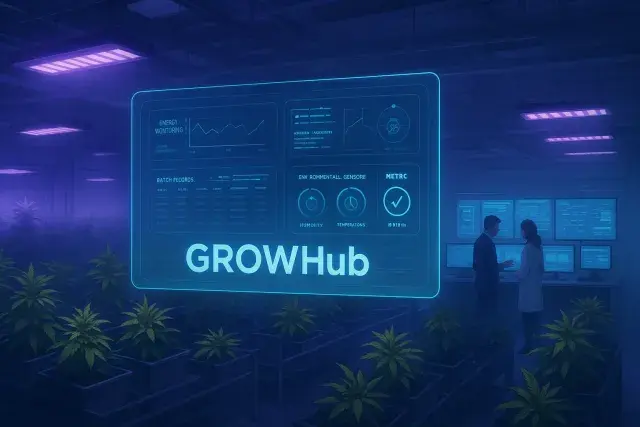
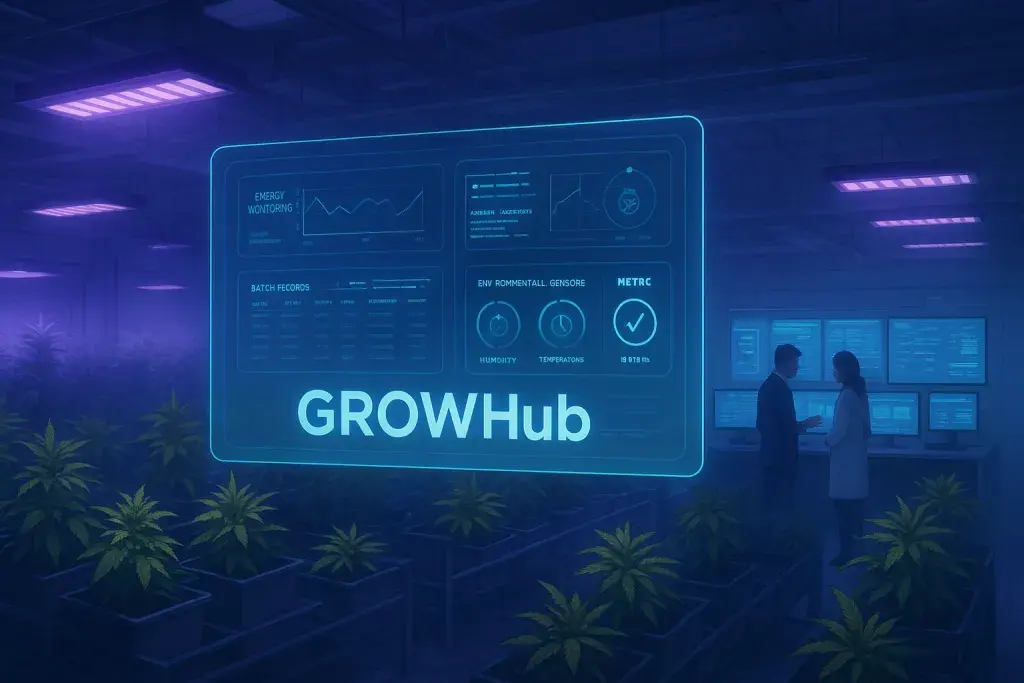
TSRgrow is rolling out a significant expansion of GROWHub, its cultivation software platform, adding energy monitoring, expanded batch-record tools, Metrc integration and building management system connectivity ahead of 2026. The update matters because it addresses a problem that has quietly plagued commercial grow operations for years: critical operational data scattered across lighting controllers, spreadsheets, environmental sensors and compliance software that rarely talk to each other.
For multi-state operators running cultivation facilities alongside retail storefronts, the fragmentation problem isn't limited to the grow room. The same disconnect shows up downstream, where dispensary staff manage inventory reconciliation, batch tracking and point-of-sale transactions without a clean line back to how the product was actually grown. Retailers navigating marijuana point of sale massachusetts requirements, for instance, already know how much friction gets introduced when seed-to-sale data doesn't sync cleanly with what's happening on the sales floor - cultivation software that produces cleaner batch records upstream can meaningfully ease that burden downstream.
Why Cultivation Data Fragmentation Is a Business Problem, Not Just an IT Headache
Here's the catch with most cultivation operations: lighting systems, HVAC controls, irrigation platforms and compliance software are frequently sourced from different vendors, installed at different times, and never designed to share a common data language. Growers end up toggling between four or five interfaces to answer a simple question - why did yield dip in Room 3 during the last cycle? Manual reconciliation eats staff hours, and it introduces the kind of human error that turns into a bigger problem during a Metrc audit or a state compliance review.
GROWHub's approach - tying LED lighting control, Remote Power energy data, environmental monitoring and batch documentation into one system - reflects a broader shift in cultivation technology toward centralized operational visibility. That's not a new idea in retail; point-of-sale and inventory-management vendors solved a similar problem for dispensaries years ago. Cultivation has lagged behind, partly because grow operations involve more variables - light spectrum, photoperiod, humidity, nutrient schedules - than a typical retail transaction.
Compliance Readiness Ahead of Regulatory Change
The timing is not incidental. As the industry braces for potential shifts tied to federal rescheduling and continued state-level scrutiny of track-and-trace systems, cultivators that can produce a clean, auditable record of every crop cycle will be better positioned than those relying on manual logs. Metrc integration at the cultivation level closes a gap that has historically existed between what happens in the grow room and what regulators see in the compliance system.
To put it plainly: compliance has usually been treated as a separate function bolted onto cultivation after the fact. Batch records get typed up after harvest, environmental logs get pulled from a different platform, and someone reconciles it all before a filing deadline or an inspection. Building that documentation directly into the cultivation workflow reduces the manual burden and - just as important - reduces the chance that a discrepancy surfaces during an audit that could otherwise have been caught earlier.
What This Means for Operators, Landlords and Equipment Buyers
For commercial cultivators evaluating infrastructure investments, the practical implication is straightforward. Energy monitoring tied directly to lighting infrastructure gives facility operators a clearer view of operating costs at a time when utility expenses remain one of the largest line items in indoor cultivation. Facility owners and landlords leasing to cultivation tenants may also find value in BMS connectivity, since it reduces the number of disconnected systems a facility manager has to babysit.
- Centralized lighting recipes by room, zone or growth stage reduce reliance on manual scheduling
- Historical crop-cycle comparisons support more repeatable cultivation strategies
- Metrc integration strengthens traceability ahead of potential regulatory changes
- Energy monitoring gives operators clearer visibility into a major operating cost
None of this guarantees better yields or lower costs on its own - software is only as useful as the discipline behind how it's used. But for operators managing multiple facilities, multiple license types or increasingly complex compliance obligations, a connected data layer is becoming less of a convenience and more of an operational necessity.