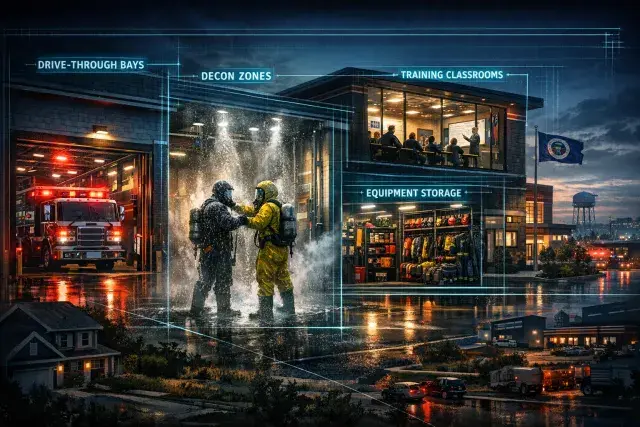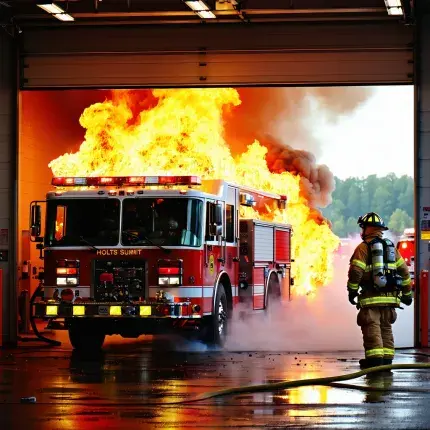
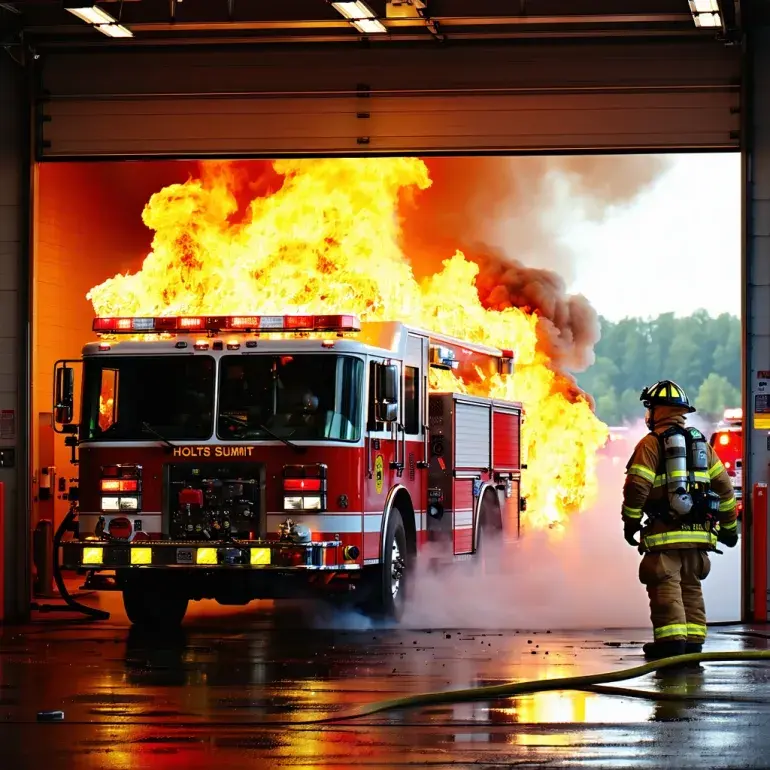
On Friday evening, the Holts Summit Fire Protection District swiftly addressed a fire alarm at its Station No. 1, extinguishing a gear dryer blaze in the apparatus bay just minutes after activation. This incident underscores the critical role of on-site readiness in preventing minor malfunctions from escalating into major threats for first responders.
Key Incident Details
The alarm triggered at 6:59 p.m. via an automatic heat sensor, alerting resident firefighters immediately. They pinpointed the fire to a gear dryer in the truck bay, a device essential for drying protective equipment after wet calls to prevent bacterial growth and maintain functionality.
- Cause: Electrical short, a common failure in high-use drying systems.
- Response time: Fire contained within minutes by station-assigned personnel.
- Damage: Limited to the dryer; no impact on fire apparatus or other gear.
- Support: Additional district officers arrived to assist with investigation and cleanup.
Background on Gear Dryers and Fire Risks
Gear dryers are standard in fire stations, circulating warm air through firefighters' suits, boots, and gloves exposed to water, smoke, and contaminants. While vital for hygiene and gear longevity—reducing replacement costs by up to 30% per NFPA estimates—they pose risks from overloaded circuits or worn heating elements. Electrical shorts account for nearly 40% of small apparatus fires in stations nationwide, often during off-peak hours when monitoring is minimal.
In Holts Summit, a rural district serving growing communities, such equipment endures heavy seasonal demands from wildfires and structure fires, amplifying wear. Proactive maintenance, like annual inspections, mitigates these hazards, yet lapses highlight vulnerabilities even in well-equipped facilities.
Broader Safety Implications and Trends
This quick containment exemplifies why resident staffing—often overlooked in budget discussions—saves lives and property. U.S. Fire Administration data shows station fires, though rare (under 1% of total calls), can sideline engines for days if unchecked, straining mutual aid networks. Nationally, electrical issues spark 15,000 non-residential fires yearly, costing $1.3 billion; firehouses are not immune.
The event signals a push for smarter tech: IoT-enabled dryers with remote monitoring and auto-shutoffs could slash risks by 50%, per industry pilots. For districts like Holts Summit, it reinforces investing in training and redundancies amid rising call volumes from climate-driven extremes, ensuring firefighters protect communities without becoming victims themselves.