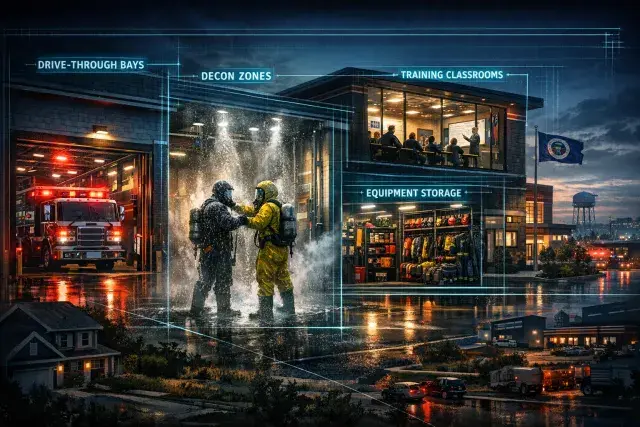
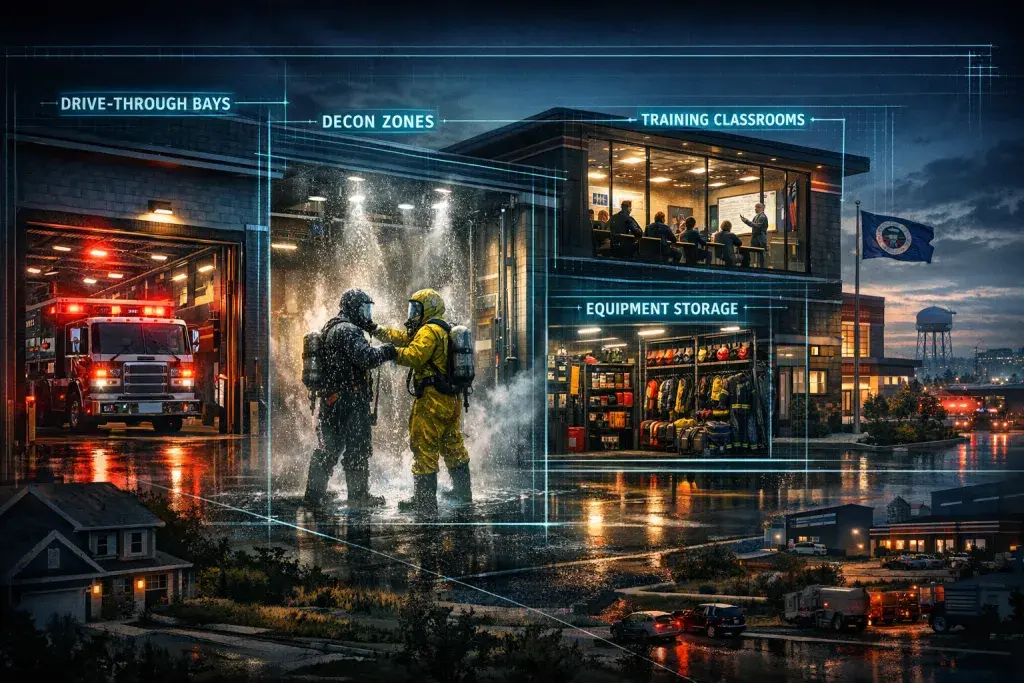
In Elk River, Minnesota, city officials have detailed plans for a new fire station designed to meet the demands of contemporary emergency response, featuring ample equipment storage, expansive training classrooms, appropriately sized decontamination facilities, and drive-through apparatus bays tailored for today's oversized vehicles. This initiative addresses critical gaps in current infrastructure, promising faster response times and better preparedness amid rising urban risks.
Key Features Driving the Design
The proposed fire station prioritizes functionality for 21st-century firefighting needs. Renderings submitted by CNH Architects highlight innovative elements that set it apart from traditional stations.
- Sufficient space for equipment ensures all apparatus, from ladders to rescue tools, can be stored efficiently without clutter.
- Large classrooms support comprehensive training for firefighters and public education programs, fostering community resilience through fire prevention workshops.
- “Appropriately sized” decontamination zones prepare for hazmat incidents, allowing safe removal of contaminants from personnel and gear—a vital upgrade as chemical exposures rise.
- Drive-through apparatus bays accommodate modern fire trucks, which are larger and more complex, enabling quicker deployments without reversing maneuvers that waste precious seconds.
These features reflect best practices in fire station architecture, optimizing workflow to shave minutes off response times when every second counts.
Addressing an Aging Infrastructure Crisis
Elk River's current fire facilities suffer from outdated layouts ill-suited for today's equipment. Many stations nationwide, built decades ago, cram oversized rigs into bays designed for smaller vehicles, leading to maintenance delays and slower mobilizations. Local growth has intensified call volumes—residential expansions and industrial zones demand robust protection. This project responds to an aging fleet and evolving threats like electric vehicle fires and opioid-related overdoses, which require specialized training spaces.
Broader Implications for Public Safety Trends
Beyond Elk River, this development signals a national shift toward resilient emergency infrastructure. NFPA data shows that modern stations reduce injury rates by 20-30% through better ergonomics and decon protocols. Implications include enhanced interoperability with regional mutual aid, lower long-term costs from efficient operations, and stronger public trust via education hubs. As climate-driven wildfires and urban density strain systems, such forward-thinking builds position communities like Elk River as safety leaders, potentially inspiring similar upgrades elsewhere.
With construction timelines pending council approval, Elk River's vision underscores proactive investment in lives over reactive spending on disasters.