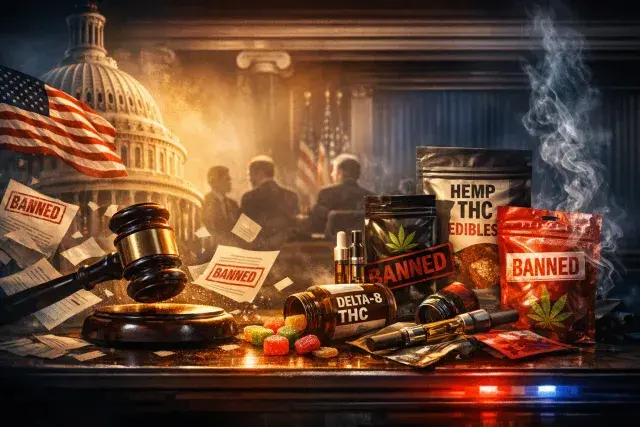
Congress has approved a federal ban on hemp-derived THC products as part of the bill ending the longest U.S. government shutdown, set to take effect in November 2026. This provision closes a regulatory loophole from the 2018 Farm Bill that allowed unregulated intoxicating hemp products to proliferate nationwide. The move targets health and safety risks but draws criticism from farmers and lawmakers who argue it threatens a vital agricultural sector.
Closing the 2018 Hemp Loophole
The 2018 Farm Bill legalized hemp by defining it as cannabis containing no more than 0.3% delta-9 THC on a dry-weight basis, distinguishing it from marijuana. Filmmaker Rob Rosen, in his 2024 YouTube documentary High Stakes -- How the U.S. Accidentally Legalized Pot, exposed how processors exploited this by converting non-intoxicating hemp cannabinoids like CBD into synthetic versions such as delta-8 THC. These products evaded marijuana laws and flooded shelves in gas stations and stores, even in states where cannabis remains illegal.
Rosen's lab tests on samples revealed manufacturers added dangerous chemical compounds to amplify intoxication, with no federal oversight to ensure safety. This lack of regulation created a shadow market for potent, untested substances accessible to minors and adults alike.
Health Risks and Widespread Availability
Hemp-derived THC products posed immediate dangers due to inconsistent potency and adulterants. Rosen noted their presence in Michigan gas stations, where cheap delta-8 items tempted young buyers outside licensed dispensaries. Even in legal marijuana states, these unregulated alternatives undercut controlled markets.
The ban prohibits hemp products exceeding 0.4 milligrams of total THC per container, aiming to eliminate intoxicating items while preserving low-THC hemp like fiber or seed oil varieties. This threshold addresses the core issue: naturally occurring THC in hemp is minimal, but conversions and additives made products deceptively powerful.
Industry Pushback and Economic Stakes
Sen. Rand Paul warned on November 10 that the strict THC cap would wipe out most hemp products, rendering pain and anxiety remedies ineffective. Hemp has emerged as a cash crop lifeline for farmers, especially after other markets faltered. Paul described the measure as an effective total ban, urging amendments before 2026.
One Upper Peninsula dispensary, The Fire Station Cannabis Company, dismissed impacts, stating it avoids hemp-derived goods and adheres to Michigan Cannabis Regulatory Agency standards. This highlights a divide: licensed operators favor regulation, while hemp growers fear economic devastation.
Broader Policy Implications
The ban signals a federal pivot toward stricter cannabinoid controls amid rising concerns over youth access and product safety. It builds on 2018 reforms but refines them to prevent synthetic intoxicants from bypassing state marijuana frameworks. As amendments loom, the hemp industry faces uncertainty, balancing public health gains against agricultural losses in a market still defining its boundaries.