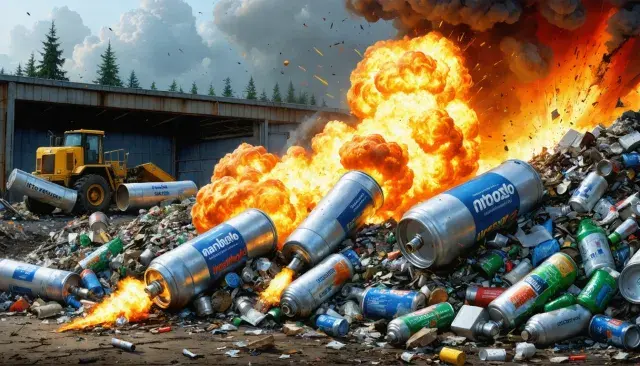
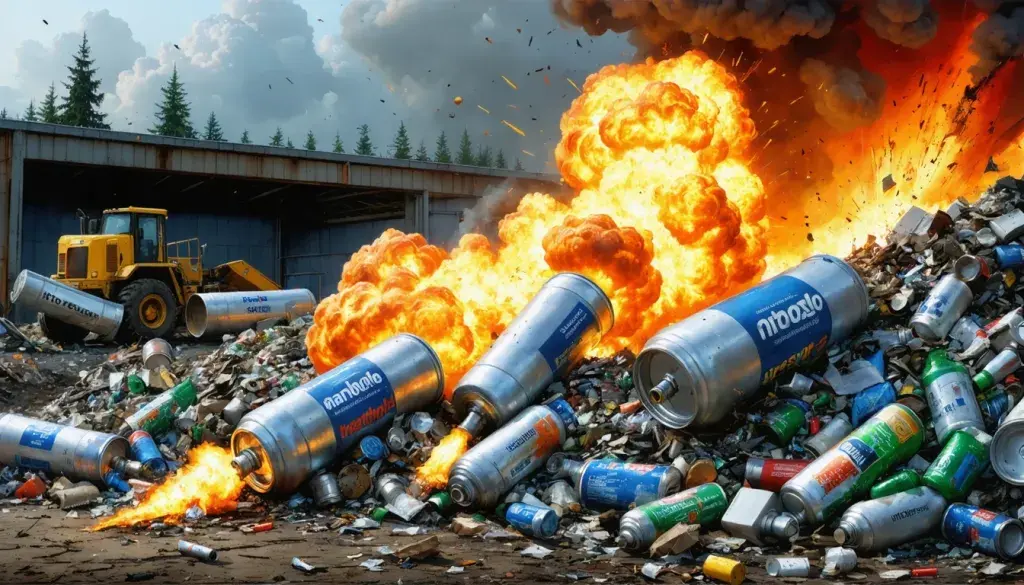
At Metro Vancouver's waste facilities, discarded nitrous oxide canisters—marketed as whipped cream chargers—are exploding amid regular trash, posing serious risks to workers and equipment. This surge, highlighted in Coquitlam recently, underscores a dangerous intersection of recreational drug misuse and improper waste handling.
The Surge in Canisters at Waste-to-Energy Plants
Paul Henderson, Metro Vancouver's solid waste services manager, reports a sharp increase in these high-pressure canisters, some holding up to three litres, over the past few months. At the Burnaby waste-to-energy facility, they've damaged machinery, halting operations and creating explosion hazards as they're crushed in garbage streams.
- One load contained 15 cylinders scattered throughout.
- No worker injuries reported yet, but the pressure exceeds that of propane tanks.
- Facilities in Europe face similar large-scale issues.
Recreational Misuse Fuels the Problem
Nitrous oxide, or laughing gas, delivers brief euphoria when inhaled, but chronic use risks oxygen deprivation, nerve damage, and addiction. Health Canada's recent recall targets products like "Bamboozle" and "GreatWhip Max Cream Charger," seized at borders and sold in vape shops—far from legitimate kitchen use. Henderson quips it's implausible for whipped cream production, pointing to recreational demand driving this waste crisis.
This mirrors broader trends: inhalants disguised as consumer goods evade regulations, akin to flavored vapes fueling youth nicotine epidemics. Online availability amplifies access, with untested flavors adding unknown health perils.
Safe Disposal and Regulatory Pushback
Metro Vancouver now accepts punctured or valved-removed canisters at recycling depots—never in regular garbage. Henderson urges compliance to avert disasters.
- Puncture valves or drill holes to release pressure.
- Drop off at designated depots only.
- Avoid household trash compaction.
The district seeks federal confirmation on sales legality post-Health Canada's crackdown, which has already curbed local prevalence.
Implications for Public Safety and Policy
Beyond immediate blasts, this highlights gaps in drug monitoring and waste education. As recreational nitrous oxide use climbs—linked to festivals and parties—communities face compounded risks: environmental hazards from improper disposal and health crises from unchecked inhalation. Stricter border controls, retailer audits, and public campaigns could stem the tide, protecting workers while addressing a stealthy public health shift toward novel inhalants.