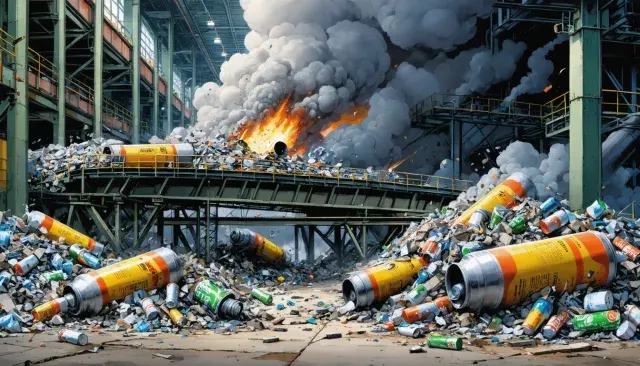
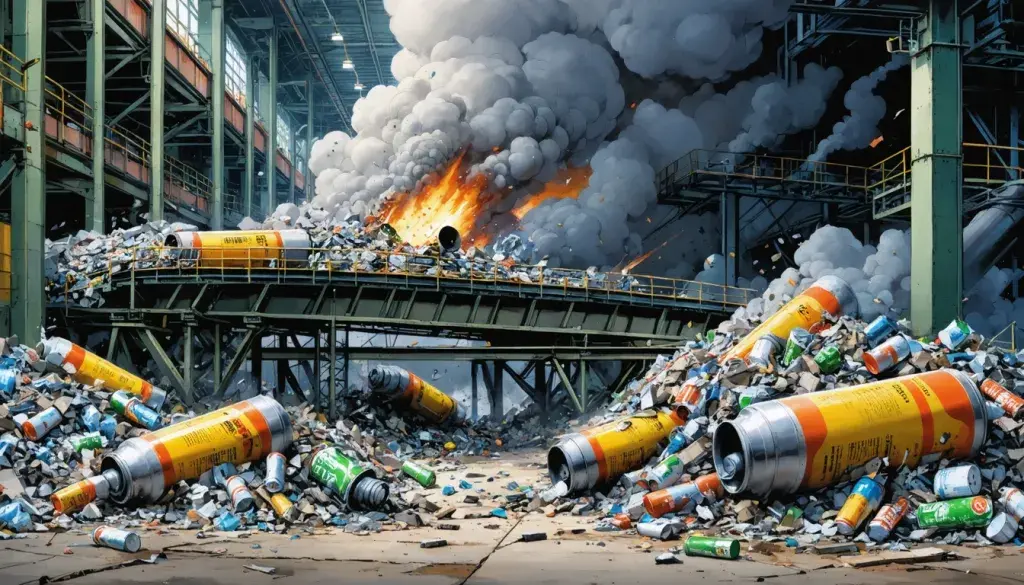
In Metro Vancouver, improperly discarded nitrous oxide (N2O) canisters are triggering dangerous explosions in the solid waste stream, endangering workers and damaging equipment at the Waste-to-Energy facility in Burnaby. This escalating crisis demands urgent action to protect public safety and maintain efficient waste processing.
The Explosive Mechanism at Work
These high-pressure steel cylinders, ranging from 8-gram whippets to three-litre industrial units, enter collection trucks and transfer stations where compaction forces rupture them, sending shrapnel flying. The real peril unfolds at the incinerator, where heat causes rapid gas expansion and bursts. Paul Henderson, Metro Vancouver’s General Manager of Solid Waste Services, reports up to 21 explosions in a single day, causing costly downtime, conveyor damage, and shredder failures. Safety data sheets warn plainly: these vessels may explode if heated or shocked, mirroring the percussive impacts in waste handling.
Rise Driven by Recreational Misuse
Once mainly whipped cream chargers, N2O canisters now flood urban waste due to surging recreational "whippet" use at parties, fueled by easy access at vape shops and convenience stores. This cultural shift amplifies a broader trend of household hazardous waste overwhelming municipal systems, straining resources amid growing populations. Workers face shrapnel injuries, fires, and chemical exposure, underscoring how lifestyle choices ripple into public safety risks and environmental bottlenecks.
Essential Steps for Prevention and Disposal
Environmental experts urge a multi-pronged response to keep pressurized canisters out of regular trash:
- Public Education: Stress depressurizing via intended use or valves before disposal—never puncture yourself. Target retailers for point-of-sale warnings on legal violations and hazards.
- Regulatory Push: Mandate take-back programs for producers and expand free drop-offs at recycling depots, requiring visible proof of emptiness like removed valves.
- Tech Upgrades: Deploy AI-driven sorters using electromagnetic detection to eject cylinders pre-incineration, as piloted elsewhere.
By classifying these as household hazardous waste, Metro Vancouver can safeguard operations, cut contamination, and model resilient urban waste management for other regions.