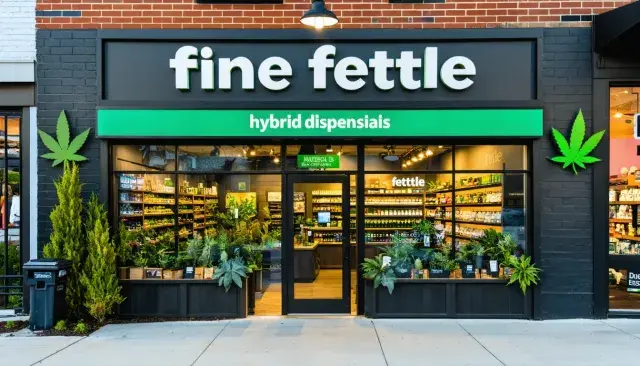
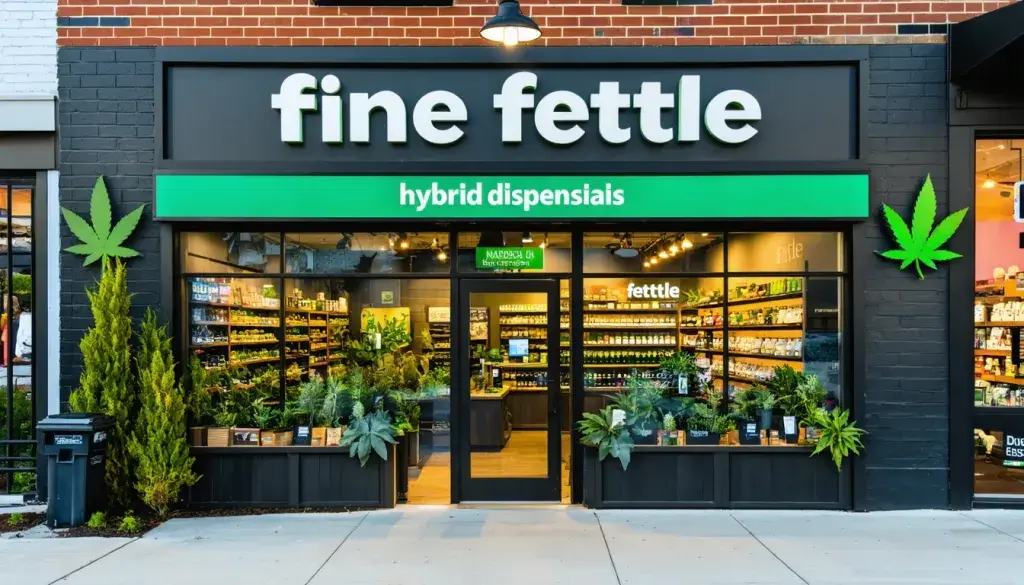
Fine Fettle, a major cannabis operator in Connecticut, has transformed its remaining recreational-only shops into hybrid stores serving both medical patients and adult-use customers. Starting this week, locations in Manchester, Norwalk, Old Saybrook, Waterbury, and West Hartford join four existing hybrid sites in Bristol, Newington, Stamford, and Willimantic. The move addresses a sharp drop in the state's medical cannabis program since recreational sales launched in early 2023.
Medical Program Faces Steep Enrollment and Revenue Losses
Registered medical cannabis patients in Connecticut fell from nearly 49,000 to under 32,000 since recreational sales began. This exodus contributed to total cannabis revenue dipping below prior-year levels: retailers sold $290 million last year, down from $293 million the year before, per state Department of Consumer Protection data. Recreational sales rose by $17.5 million, but untaxed medical sales plunged $21 million, as patients let registrations lapse without shifting to the adult market.
Patients Seek Options Across Borders and Illicit Channels
Many former medical patients now travel to neighboring states for higher-potency products unavailable locally or turn to online vape shops and gas stations selling hemp items. Connecticut Cannabis Ombudsman Erin Gorman Kirk highlighted pressures from surrounding markets and welcomed Fine Fettle's expansion to cut patient travel. Fine Fettle Chief Operating Officer Ben Zachs noted the medical program's struggles over recent years, stressing the need for better access, service, and patient-specific offerings.
New Law Eases Hybrid Conversions, Despite Operational Hurdles
June 2025 legislation enabled recreational retailers to switch to hybrid licenses without a lottery and relaxed pharmacist rules: stores now require on-site presence for one eight-hour shift weekly, with telehealth available otherwise. Fine Fettle invested in private consultation spaces, staff retraining, remote verification systems, new menus, and inspections across its nine locations. Though medical margins run lower due to discounted prices and added inventory, Zachs expects the changes to boost overall traffic through improved patient access and word-of-mouth referrals.