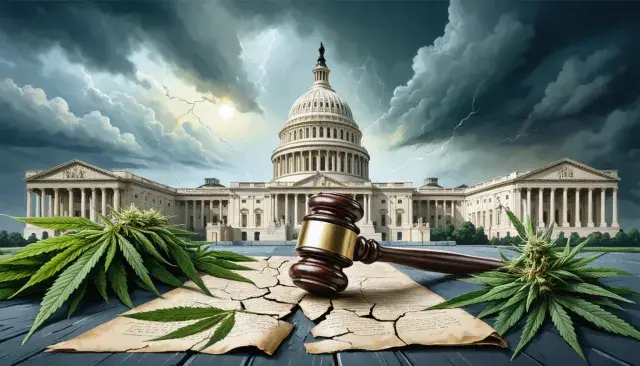
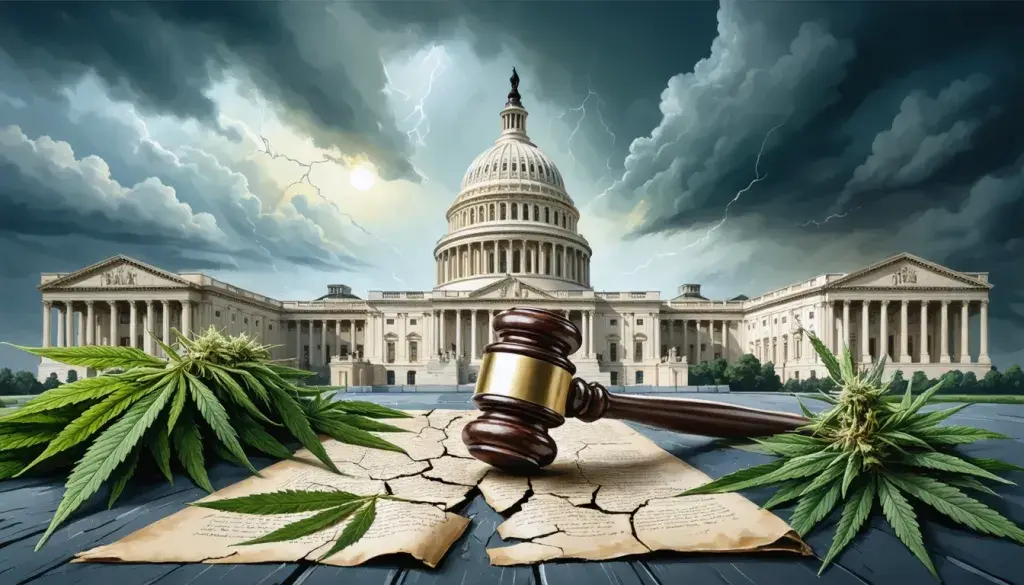
In a pivotal move tucked into last month's federal government funding bill, Congress has approved a nationwide ban on hemp-derived THC products, set to take effect in November 2026. This targets a regulatory gap that flooded markets with unregulated intoxicants, prioritizing public health amid rising concerns over unsafe synthetics.
Exposing the 2018 Hemp Legalization Loophole
The 2018 Farm Bill legalized hemp with less than 0.3% Delta-9 THC, inadvertently creating a pathway for Delta-8 and other hemp-derived THC variants. Filmmaker Rob Rosen's documentary High Stakes highlighted how manufacturers exploited this by chemically altering hemp to produce potent, intoxicating products without oversight. These items evaded cannabis regulations, appearing in gas stations and convenience stores—even in marijuana-legal states like Michigan.
Health Risks Driving the Ban
Unregulated hemp-derived THC products often contain synthetic additives that amplify intoxication while posing severe dangers. Lab tests cited by experts reveal contaminants like heavy metals, pesticides, and novel psychoactive compounds not intended for consumption. Vulnerable groups, including youth accessing cheap Delta-8 at retail spots, face heightened risks of psychosis, respiratory issues, and addiction—mirroring broader trends in synthetic cannabinoid crises seen in vaping outbreaks.
- Ban threshold: No more than 0.4 milligrams total THC per container.
- Timeline: Federally effective November 2026, closing the intoxicating loophole.
- Prevalence: Available outside licensed dispensaries nationwide.
Industry Pushback and Broader Implications
While proponents celebrate enhanced safety standards, critics like Sen. Rand Paul argue the strict THC cap will devastate legitimate hemp farming, a vital cash crop for pain management and anxiety relief. Hemp's economic boom—generating billions since 2018—could shrink, pushing farmers toward alternatives amid tightening drug policies. Yet, licensed cannabis outlets like Michigan's Fire Station Cannabis Company remain unscathed, as they avoid hemp-derived items and adhere to rigorous state testing.
This ban signals a maturing U.S. approach to cannabinoids, distinguishing therapeutic hemp from recreational highs. It underscores the need for clearer federal guidelines, potentially spurring innovation in regulated CBD and low-THC wellness products while curbing black-market dangers.